Modern workplaces rely on dozens of connected devices. Laptops, wireless displays, conference room hardware, access control systems, cameras, and smart sensors all share the same network. Without proper segmentation, a single issue in one area can slow down the entire office or expose sensitive data.
Network segmentation is a powerful yet underused method to increase both security and performance. It divides your network into smaller zones, so traffic flows efficiently and risks stay contained.
Why Network Segmentation Matters
- Better Performance
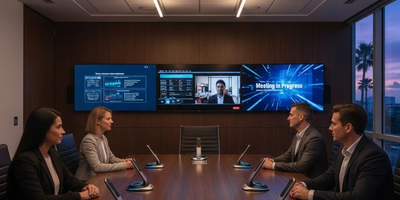
Separating conference room AV traffic from general office internet prevents lag during meetings. - Stronger Security
If a visitor device is infected, segmentation keeps it isolated from critical systems. - Simplified Troubleshooting
Smaller network zones make it easier to find where disruptions are coming from. - Protection for Smart Devices
Cameras, access panels, and IoT sensors often require their own segment for stability.
How It Works
Network segmentation uses VLANs, firewalls, and access rules to route traffic. Each segment has its own purpose, such as AV equipment, guest WiFi, office devices, or administrative systems. Restricting communication between these zones reduces unnecessary load and security exposure.
Where It Helps the Most
- Hybrid meeting rooms
- Offices with many wireless devices
- Buildings with access control and surveillance
- Spaces using voice and video heavily
Ready for Network Segmentation and Improves Security and Performance? Contact Support305 today to get started.